







TRUE NORTH ADVANCEMENT
Making sure you get more out of your Slate instance to maximize donor and alumni engagement, and beyond.
How We Source Our Insights
Every tip starts with a real scenario we’ve encountered in Slate. From time-saving tricks to “wait, that actually worked” moments, we’re diligent about capturing it, analyzing it, and breaking it down so you can put our insights into action immediately.

EXAMPLE INSIGHTS
Try this instead:
📈 Build a simple “admin health” report for one area you care about.
📥 Schedule it to land in your inbox each week.
➡️ Spend five minutes reviewing it, then move on with your day.
Instead of wondering whether everyone followed the plan, let Slate tell you.

That’s the opportunity we have with Slate: its flexibility means we can replace painful processes with smoother ones. And when that happens, adoption isn’t a fight, it’s a relief.
Try this instead:
? Build a simple “admin health” report for one area you care about.
? Schedule it to land in your inbox each week.
⏱️ Spend five minutes reviewing it, then move on with your day.
Instead of wondering whether everyone followed the plan, let Slate tell you.
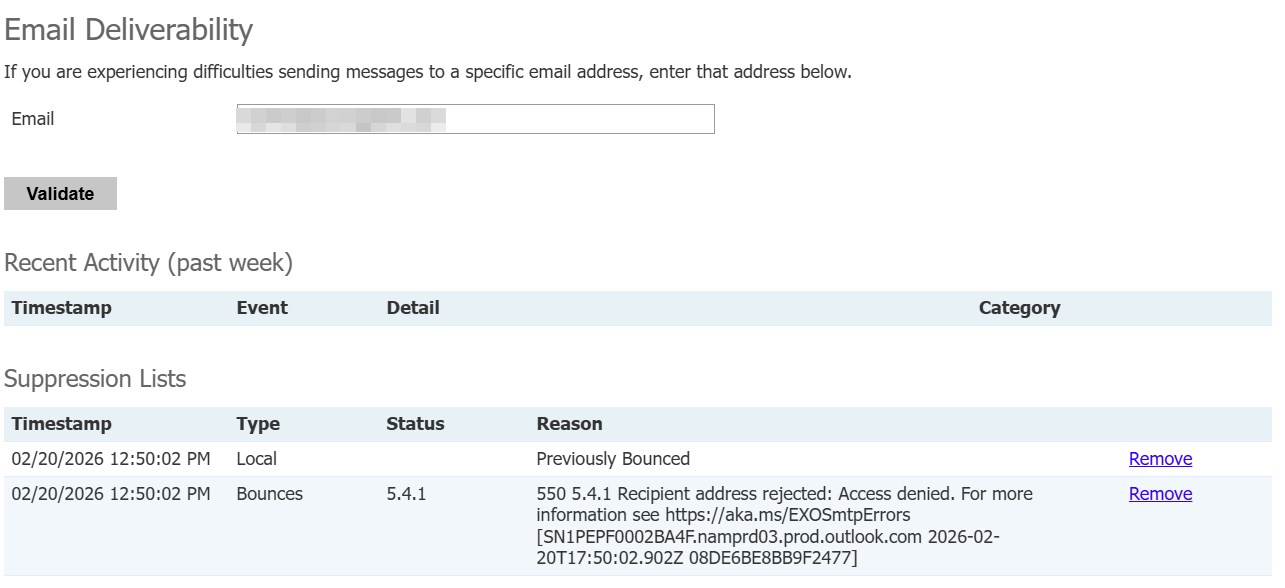
When to use it: Most email deliverability problems are caused by something simple in the mailing itself. But if you’ve checked the recipient list, confirmed the send settings, and you’re STILL stumped, it’s time to check here. Enter the email address and review exactly what happened. It won’t fix the mailing for you, but it will quickly and clearly tell you what happened when Slate tried to send that message.
YOU HEARD IT HERE FIRST
“I believe good technology makes higher ed work better, and that a deep understanding of how higher ed operates (and what’s at stake) leads to better technology.”

"Your donor data should live in one place, stay up to date, and be truly usable, so you spend less time reconciling systems and more time building meaningful relationships."

“When data is misunderstood or poorly structured, it leads to flawed insights and bad decisions. Understanding your data and using configurable joins ensures accurate reporting and stronger processes.”

TRUE NORTH ADVANCEMENT
Making sure you get more out of your Slate instance to maximize donor and alumni engagement, and beyond.